


5 Methods to Deal with Pain Insomnia (Painsomnia)

How are you sleeping these days? If you’re struggling to sleep well, I wouldn’t be surprised. Sadly, losing sleep is often a casualty of living with lupus.
What Is Pain Insomnia (Painsomnia)?
My issues with joint and muscle pain have made it difficult to get high-quality sleep since early in my lupus journey. After starting a biologic, these issues calmed down, and I was sleeping much better – until last year. I suddenly had a new pain issue, inflammation in the tendons of my arms along my elbows, which began a brutal round of pain insomnia (also called painsomnia).
I found myself in a downward spiral of panic, fearful of my new pain issue and the associated poor sleep. Before I knew it, both problems were out of control. I tried many things over the next several months to get those precious hours of sleep back. In this article, I’m sharing the ones that helped me sleep again.
5 things to try for pain insomnia:
1. Cognitive behavioral therapy for insomnia (CBT-I).
I chose to do some less formal CBT-I therapy with my existing therapist instead of a full course, but it was still helpful. One of the best CBT-I guidelines I put into practice was the idea that I would not try to sleep if I wasn’t sleepy.

That time I was spending in my bed, wide awake and afraid about my sleeplessness, was only compounding my problem with insomnia. I made a list of ideas about what to do when my body wasn’t ready to sleep so I’d be prepared instead of stressed. It worked very well. It can be quite difficult to find a CBT-I therapist, which is partly why I chose an informal route.
2. Find lots of semi-boring materials to ease into sleep.
Easing through the wide-awake-to-sleepy transition is tough. Ideally, according to CBT-I, you wouldn’t stay in bed when you’re wide awake. But, since I’m often dealing with pain and fatigue issues as well, I decided to try doing somewhat boring things to speed up getting sleepy after I lie down.
I tried podcasts, but the ads were often too abrasive and would make me too alert. Then I started listening to audiobooks with sleep timers turned on, which was a much better fit. Most audiobook apps have a sleep timer built in, so that it won’t play all night. The trick is to find something interesting enough that you can put your whole attention into it, leaving no room for stress over getting sleepy, but not so interesting that you can’t fall asleep.
3. See a sleep medicine specialist.
I’ve turned to my rheumatologist for help with my sleep issues many times, especially when I felt like the sleeping issues were intertwined with my lupus symptoms. This has been helpful at times, but the truth is that sleep is not their specialty.
A few years ago, I got a CPAP machine, which requires an annual trip to sleep medicine. This doctor has had more ideas about the underlying causes of poor sleep, such as low iron, and is more up to date on newer sleep aids. So far, I have only used a low dose of melatonin when I have pain insomnia flare-ups, but it’s comforting to know we have a plan in case I need more help sleeping.
4. Increase your exercise.
There’s evidence that consistent exercise can improve sleep over time.1 I recently read a book, “Move the Body, Heal the Mind” by Dr. Jennifer Heisz, which discussed the many ways exercise can help with various health issues. The book addresses a common issue for those with lupus - that exercising can make fatigue worse, and talks about how slowly increasing your intensity level can mitigate it.
It was the motivation I needed to increase my exercise level. I am feeling so much better since making this change, both with my physical pain and sleep issues.
5. Take sleep hygiene seriously.
Listen, I’ve read so many articles about sleep hygiene that the advice can bring an eye roll. Maybe I was too young and dumb to heed the advice before, but now I know there’s a reason for those often-repeated sleep rules.
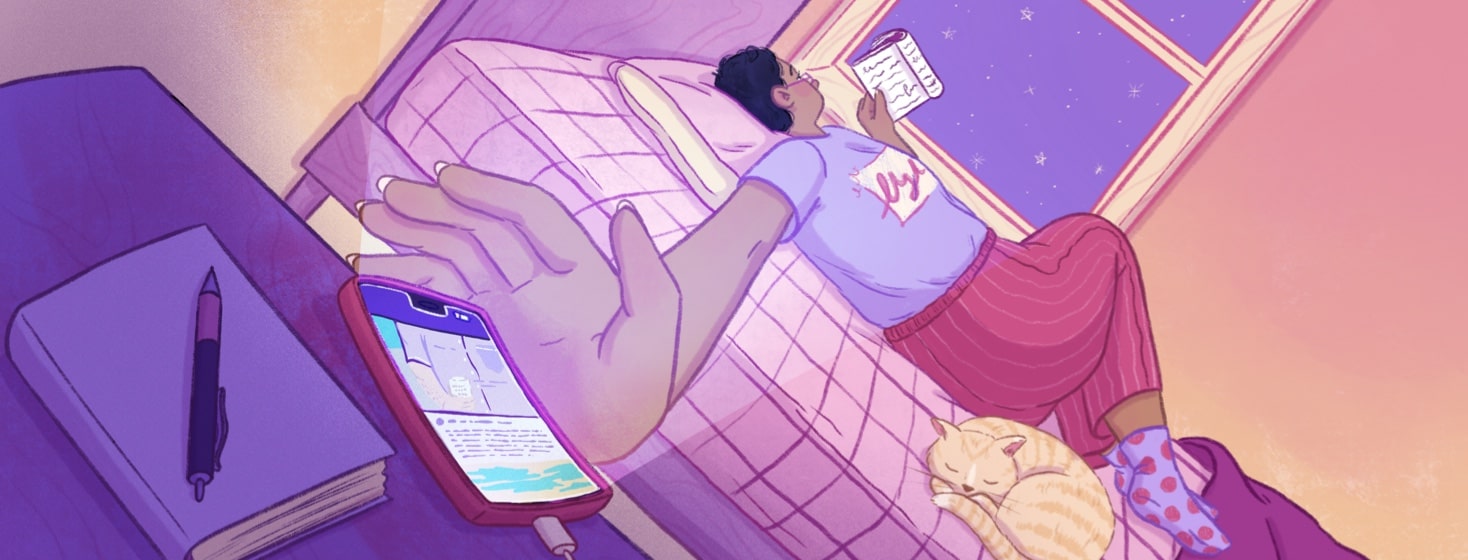
One sleep hygiene rule that I was breaking was watching short-form videos on social media before bed. Looking back, it might have been a bit of an addiction. Sleep simply became more important to me, and I’ve cut way back on social media overall. Both my sleep and my mental health are better off for it.
What is your next step for sleeping better?
Join the conversation